# RFID Keycard Keychain: The Ultimate Guide to Modern Access Control
## What Is an RFID Keycard Keychain?
An RFID keycard keychain is a compact, portable device that combines the functionality of a traditional keycard with the convenience of a keychain. Utilizing Radio Frequency Identification (RFID) or Near Field Communication (NFC) technology, these devices enable secure, contactless access to buildings, rooms, vehicles, and digital systems. I remember the first time I used one; it was at a modern co-working space. Instead of fumbling with a bulky access card, I simply tapped my sleek keychain against the reader. The seamless "beep" and green light felt futuristic and incredibly convenient, transforming my daily entry from a chore into a smooth, almost enjoyable interaction.
## How RFID Keycard Keychains Work: A Technical Deep Dive
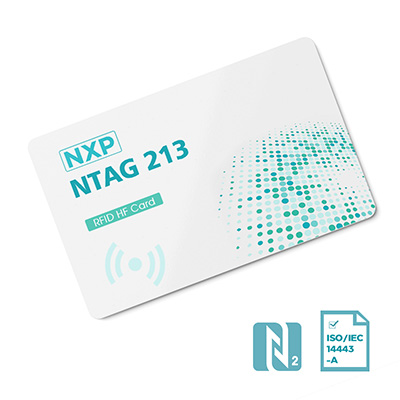 The magic behind these devices lies in their embedded microchip and antenna. When brought within proximity of an RFID reader (typically 1-10 cm for HF systems), the reader's electromagnetic field powers the chip. The chip then transmits its unique identification data back to the reader via the antenna, granting or denying access based on pre-programmed permissions.
### Key Technical Components and Specifications
For those interested in the engineering specifics, here are the typical technical parameters for a standard HF (13.56 MHz) RFID keychain tag:
The magic behind these devices lies in their embedded microchip and antenna. When brought within proximity of an RFID reader (typically 1-10 cm for HF systems), the reader's electromagnetic field powers the chip. The chip then transmits its unique identification data back to the reader via the antenna, granting or denying access based on pre-programmed permissions.
### Key Technical Components and Specifications
For those interested in the engineering specifics, here are the typical technical parameters for a standard HF (13.56 MHz) RFID keychain tag:


 * **Frequency:** 13.56 MHz (High Frequency - HF). This is the standard for most access control and payment systems (ISO/IEC 14443 A & B, ISO/IEC 15693).
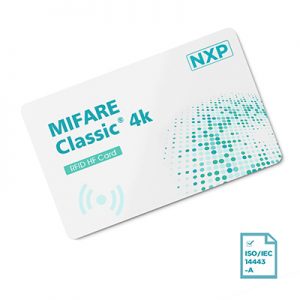
* **Chip:** Common ICs include NXP's MIFARE Classic 1K (MF1S503x), MIFARE DESFire EV2 (MF2D(H)x0), or NTAG 213/215/216. The choice dictates security level and memory.
* **Memory Capacity:** Ranges from 1KB (MIFARE Classic) to 8KB (MIFARE DESFire), sufficient for multiple access credentials or small data storage.
* **Read Range:** Typically 3-10 cm, depending on the reader's power and the tag's antenna design.
* **Dimensions:** A standard keychain fob is often around 30mm x 40mm x 4mm, but compact designs can be as small as 25mm in diameter.
* **Protocol:** Supports ISO/IEC 14443 Type A for most access systems. NFC-enabled keychains also suppor
* **Frequency:** 13.56 MHz (High Frequency - HF). This is the standard for most access control and payment systems (ISO/IEC 14443 A & B, ISO/IEC 15693).
* **Chip:** Common ICs include NXP's MIFARE Classic 1K (MF1S503x), MIFARE DESFire EV2 (MF2D(H)x0), or NTAG 213/215/216. The choice dictates security level and memory.
* **Memory Capacity:** Ranges from 1KB (MIFARE Classic) to 8KB (MIFARE DESFire), sufficient for multiple access credentials or small data storage.
* **Read Range:** Typically 3-10 cm, depending on the reader's power and the tag's antenna design.
* **Dimensions:** A standard keychain fob is often around 30mm x 40mm x 4mm, but compact designs can be as small as 25mm in diameter.
* **Protocol:** Supports ISO/IEC 14443 Type A for most access systems. NFC-enabled keychains also suppor
RFID Industry Applications
RFID technology is revolutionizing multiple sectors with its versatile applications:
- Access Control Systems
- Cashless Payment Solutions
- Inventory Management
- Asset Tracking
- Supply Chain Management
- Healthcare Patient Tracking
RFID Technical Specifications
Understanding RFID technology specifications for optimal implementation:
- Frequency: 125kHz, 13.56MHz, 860-960MHz
- Read Range: 1cm to 15m
- Memory: 64-bit to 8KB
- Standards: ISO 14443, ISO 15693
- NFC Compatibility: Type 1-4 Tags
- Durability: IP67 Water Resistance
RFID Market Trends 2024
The RFID industry is experiencing exponential growth with these key trends:
- Integration with IoT and AI systems
- Expansion in healthcare and retail sectors
- Development of sustainable RFID materials
- Increased adoption in smart city projects
Advanced RFID Security
Modern RFID systems incorporate multiple layers of security for protection:
- AES-256 Bit Encryption
- Mutual Authentication Protocols
- Tamper-Evident Designs
- Secure Key Management
- Frequency Hopping Spread Spectrum
- Kill Switch Technology
Ready to Implement RFID Solutions?
Whether you need access control systems, cashless payment solutions, or custom RFID implementations, our team of experts can help you navigate the latest in RFID technology.
Contact Our RFID SpecialistsChoosing the Right RFID Solution
When selecting RFID technology for your organization, consider:
- Application requirements: Access control, payments, inventory tracking
- Environment: Indoor, outdoor, harsh conditions
- Read range: Close proximity or longer distances
- Integration needs: Compatibility with existing systems
- Budget: Initial investment and total cost of ownership