# Lost Hotel Card Key: How RFID and NFC Technology Enhance Security and Convenience
 ## Introduction to RFID and NFC in Hospitality
The experience of losing a hotel card key is a common frustration for travelers worldwide. In my years of frequent business travel, I’ve misplaced my key card more times than I care to admit—once leaving it in a conference room across town, another time accidentally taking it home. Each instance highlighted not just personal forgetfulness, but the evolving technology behind these small plastic cards. Modern hotel card keys increasingly utilize Radio Frequency Identification (RFID) and Near Field Communication (NFC) technologies, transforming a simple access tool into a sophisticated security and convenience device.
## How RFID and NFC Work in Hotel Keys
## Introduction to RFID and NFC in Hospitality
The experience of losing a hotel card key is a common frustration for travelers worldwide. In my years of frequent business travel, I’ve misplaced my key card more times than I care to admit—once leaving it in a conference room across town, another time accidentally taking it home. Each instance highlighted not just personal forgetfulness, but the evolving technology behind these small plastic cards. Modern hotel card keys increasingly utilize Radio Frequency Identification (RFID) and Near Field Communication (NFC) technologies, transforming a simple access tool into a sophisticated security and convenience device.
## How RFID and NFC Work in Hotel Keys
 ### Technical Foundations
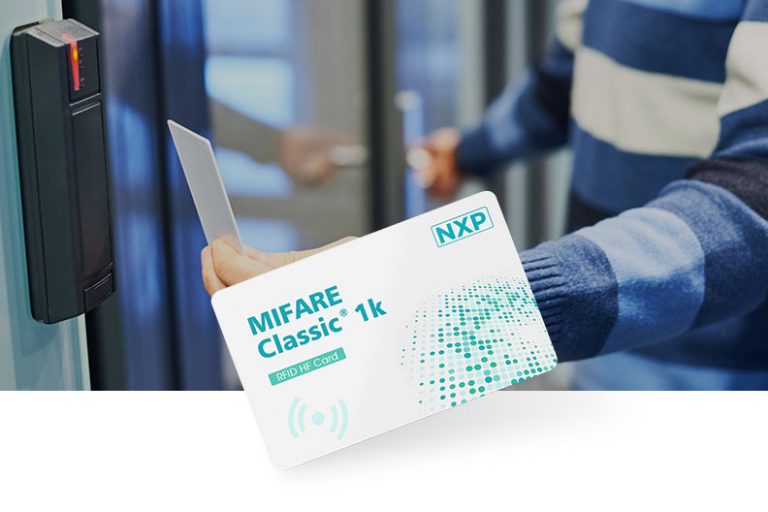
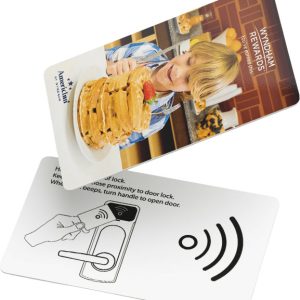
**RFID Hotel Cards** typically operate at 125 kHz or 13.56 MHz frequencies. The cards contain a tiny chip (common models include NXP Mifare Classic 1K with 1KB memory or HID Prox cards) and an antenna, encapsulated in plastic. When brought near a reader (usually within 2-10 cm), the reader’s electromagnetic field powers the chip, which then transmits its unique identifier to the hotel’s locking system.
**NFC-enabled keys** are a subset of RFID operating at 13.56 MHz with a very short range (typically under 4 cm). Many modern hotels now use NFC technology compatible with ISO/IEC 14443 Type A or Type B standards. Some properties have adopted dual-technology cards that work with both traditional RFID readers and smartphone NFC systems.
### Technical Foundations
**RFID Hotel Cards** typically operate at 125 kHz or 13.56 MHz frequencies. The cards contain a tiny chip (common models include NXP Mifare Classic 1K with 1KB memory or HID Prox cards) and an antenna, encapsulated in plastic. When brought near a reader (usually within 2-10 cm), the reader’s electromagnetic field powers the chip, which then transmits its unique identifier to the hotel’s locking system.
**NFC-enabled keys** are a subset of RFID operating at 13.56 MHz with a very short range (typically under 4 cm). Many modern hotels now use NFC technology compatible with ISO/IEC 14443 Type A or Type B standards. Some properties have adopted dual-technology cards that work with both traditional RFID readers and smartphone NFC systems.
 *Technical parameters for common hotel key chips (for reference only; specific specifications require consultation with management):*
- **Mifare DESFire EV2**: 2KB/4KB/8KB memory, AES-128 encryption, 13.56 MHz
- **HID iCLASS Seos**: 13.56 MHz, 32KB memory, supports multiple applications
*Technical parameters for common hotel key chips (for reference only; specific specifications require consultation with management):*
- **Mifare DESFire EV2**: 2KB/4KB/8KB memory, AES-128 encryption, 13.56 MHz
- **HID iCLASS Seos**: 13.56 MHz, 32KB memory, supports multiple applications
 - **STMicroelectronics ST25TA series**: 64-bit to 8KB memory, 13.56 MHz, ±7kV HBM ESD protection
### Personal Experience with Next-Generation Keys
During a stay at a tech-forward Tokyo hotel last year, I experienced NFC smartphone key technology firsthand. After downloading the hotel’s app and checking in online, my room key appeared in my iPhone’s Wallet app. Approaching my room door, I simply held my phone near the lock—no fumbling through pockets for a plastic card. The convenience was remarkable, though it required me to ensure my phone was charged, presenting a new potential point of failure.
## Security Enhancements: Beyond the Lost
- **STMicroelectronics ST25TA series**: 64-bit to 8KB memory, 13.56 MHz, ±7kV HBM ESD protection
### Personal Experience with Next-Generation Keys
During a stay at a tech-forward Tokyo hotel last year, I experienced NFC smartphone key technology firsthand. After downloading the hotel’s app and checking in online, my room key appeared in my iPhone’s Wallet app. Approaching my room door, I simply held my phone near the lock—no fumbling through pockets for a plastic card. The convenience was remarkable, though it required me to ensure my phone was charged, presenting a new potential point of failure.
## Security Enhancements: Beyond the Lost
RFID Industry Applications
RFID technology is revolutionizing multiple sectors with its versatile applications:
- Access Control Systems
- Cashless Payment Solutions
- Inventory Management
- Asset Tracking
- Supply Chain Management
- Healthcare Patient Tracking
RFID Technical Specifications
Understanding RFID technology specifications for optimal implementation:
- Frequency: 125kHz, 13.56MHz, 860-960MHz
- Read Range: 1cm to 15m
- Memory: 64-bit to 8KB
- Standards: ISO 14443, ISO 15693
- NFC Compatibility: Type 1-4 Tags
- Durability: IP67 Water Resistance
Advanced RFID Security
Modern RFID systems incorporate multiple security layers for protection:
- 128/256-bit AES Encryption
- Anti-Cloning Protection
- Signal Shielding Technology
- Multi-Factor Authentication
- Real-Time Monitoring
- Tamper Detection Systems
RFID Future Trends
Emerging trends shaping the future of RFID technology:
- IoT Integration
- AI-Powered Analytics
- 5G Connectivity
- Energy Harvesting
- Big Data Integration
- Sustainable Materials
Ready to Implement RFID Solutions?
Whether you need access control systems, cashless payment solutions, or custom RFID implementations, our team of experts can help you navigate the latest in RFID technology.
Contact Our RFID Specialists