# Magnetic Stripe Cards: The Backbone of Modern Transaction Systems
 ## Introduction to Magnetic Stripe Cards
Magnetic stripe cards have been a fundamental component of transaction and identification systems for decades. These cards, often found in credit cards, debit cards, hotel key cards, and access control badges, utilize a strip of magnetic material to store data. The technology, though seemingly simple, has revolutionized how we conduct financial transactions, secure facilities, and manage identities. My first encounter with magnetic stripe cards was during my college years when I worked part-time at a local library. We used these cards for member checkouts, and I was fascinated by how swiping a card through a reader could instantly pull up a patron's account. This hands-on experience sparked my interest in data encoding technologies and their practical applications.
## How Magnetic Stripe Cards Work
### Technical Specifications and Data Encoding
A standard magnetic stripe card consists of three tracks on the magnetic stripe, each with specific data formats and densities.
## Introduction to Magnetic Stripe Cards
Magnetic stripe cards have been a fundamental component of transaction and identification systems for decades. These cards, often found in credit cards, debit cards, hotel key cards, and access control badges, utilize a strip of magnetic material to store data. The technology, though seemingly simple, has revolutionized how we conduct financial transactions, secure facilities, and manage identities. My first encounter with magnetic stripe cards was during my college years when I worked part-time at a local library. We used these cards for member checkouts, and I was fascinated by how swiping a card through a reader could instantly pull up a patron's account. This hands-on experience sparked my interest in data encoding technologies and their practical applications.
## How Magnetic Stripe Cards Work
### Technical Specifications and Data Encoding
A standard magnetic stripe card consists of three tracks on the magnetic stripe, each with specific data formats and densities.
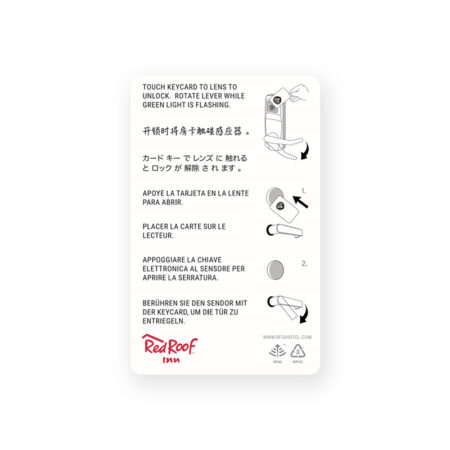 **Track 1** is typically used for alphanumeric data and has a recording density of 210 bits per inch (bpi). It can store up to 79 characters and often includes the cardholder's name, account number, and other discretionary data.
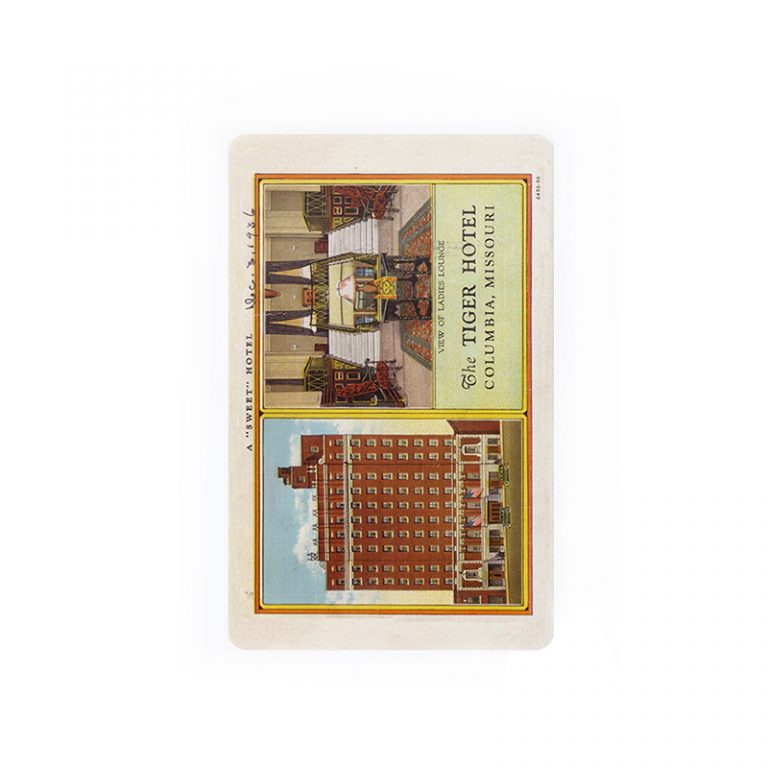
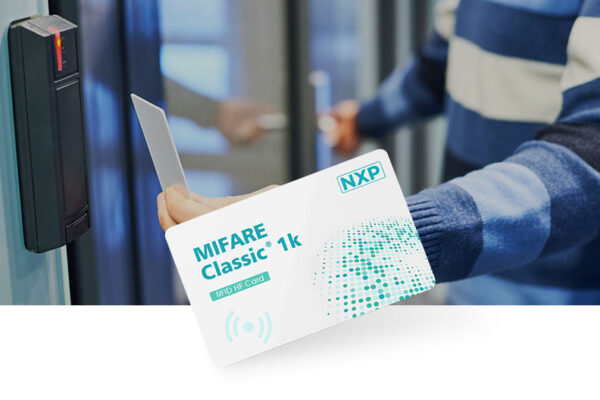 **Track 2** is designed for numeric data only, with a higher density of 75 bpi and a capacity of 40 characters. This track commonly contains the primary account number (PAN), expiration date, and service code.
 **Track 3** is used for financial transactions and can store up to 107 numeric characters at 210 bpi. It includes data like the PIN verification value, currency code, and authorization limits.
The magnetic stripe itself is made of tiny iron-based magnetic particles embedded in a resin binder. When the card is swiped, the magnetic reader detects changes in magnetism, translating them into binary data (0s and 1s). The encoding follows standards like ISO/IEC 7811, which specifies the physical characteristics and recording technique.
*Note: The technical parameters provided here are for reference. For precise specifications, chip codes, or custom solutions, please contact our backend management team.*
### Personal Skill Application: Troubleshooting Reader Issues
During my time at the library, I developed a knack for troubleshooting magnetic stripe reader issues. I learned that mis-swipes often resulted from worn stripes or dirty reader heads. By cleaning the readers regularly
**Track 3** is used for financial transactions and can store up to 107 numeric characters at 210 bpi. It includes data like the PIN verification value, currency code, and authorization limits.
The magnetic stripe itself is made of tiny iron-based magnetic particles embedded in a resin binder. When the card is swiped, the magnetic reader detects changes in magnetism, translating them into binary data (0s and 1s). The encoding follows standards like ISO/IEC 7811, which specifies the physical characteristics and recording technique.
*Note: The technical parameters provided here are for reference. For precise specifications, chip codes, or custom solutions, please contact our backend management team.*
### Personal Skill Application: Troubleshooting Reader Issues
During my time at the library, I developed a knack for troubleshooting magnetic stripe reader issues. I learned that mis-swipes often resulted from worn stripes or dirty reader heads. By cleaning the readers regularly
RFID Industry Applications
RFID technology is revolutionizing multiple sectors with its versatile applications:
- Access Control Systems
- Cashless Payment Solutions
- Inventory Management
- Asset Tracking
- Supply Chain Management
- Healthcare Patient Tracking
RFID Technical Specifications
Understanding RFID technology specifications for optimal implementation:
- Frequency: 125kHz, 13.56MHz, 860-960MHz
- Read Range: 1cm to 15m
- Memory: 64-bit to 8KB
- Standards: ISO 14443, ISO 15693
- NFC Compatibility: Type 1-4 Tags
- Durability: IP67 Water Resistance
Advanced RFID Security
Modern RFID systems incorporate multiple security layers for protection:
- 128/256-bit AES Encryption
- Anti-Cloning Protection
- Signal Shielding Technology
- Multi-Factor Authentication
- Real-Time Monitoring
- Tamper Detection Systems
RFID Future Trends
Emerging trends shaping the future of RFID technology:
- IoT Integration
- AI-Powered Analytics
- 5G Connectivity
- Energy Harvesting
- Big Data Integration
- Sustainable Materials
Ready to Implement RFID Solutions?
Whether you need access control systems, cashless payment solutions, or custom RFID implementations, our team of experts can help you navigate the latest in RFID technology.
Contact Our RFID Specialists