# How to Use an NFC Card: A Complete Guide
NFC cards have become an integral part of modern life, offering convenience and security in various applications. From making contactless payments to accessing secure buildings, these tiny chips embedded in cards are transforming how we interact with technology. In this comprehensive guide, we will explore everything you need to know about using NFC cards effectively and safely.
## Understanding NFC Technology
**What is an NFC Card?**

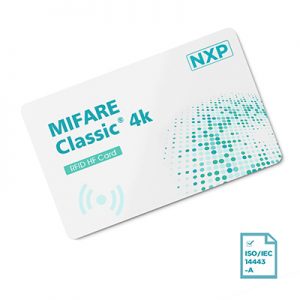
 An NFC (Near Field Communication) card contains a small chip and antenna that enables short-range wireless communication with compatible devices. Unlike traditional magnetic stripe cards, NFC cards don't require physical contact or swiping—they simply need to be brought close to a reader (typically within 1-2 inches).
 **How NFC Cards Work**
When you tap an NFC card against a reader, the chip inside the card is powered by the electromagnetic field generated by the reader. This creates a secure communication channel through which data can be exchanged. The entire process happens in milliseconds, making transactions quick and efficient.
**How NFC Cards Work**
When you tap an NFC card against a reader, the chip inside the card is powered by the electromagnetic field generated by the reader. This creates a secure communication channel through which data can be exchanged. The entire process happens in milliseconds, making transactions quick and efficient.
 ## Practical Applications of NFC Cards
**Contactless Payments**
My first experience with NFC payment was transformative. I was rushing through an airport, late for a flight, and realized I needed to grab a quick snack. The line was long, and people were fumbling with cash and cards. When it was my turn, I simply tapped my phone (which had my NFC payment card loaded) against the terminal, and within seconds, my transaction was complete. The cashier looked impressed, and the person behind me sighed in relief. This personal experience showed me how NFC technology could streamline everyday transactions.
**Access Control and Security**
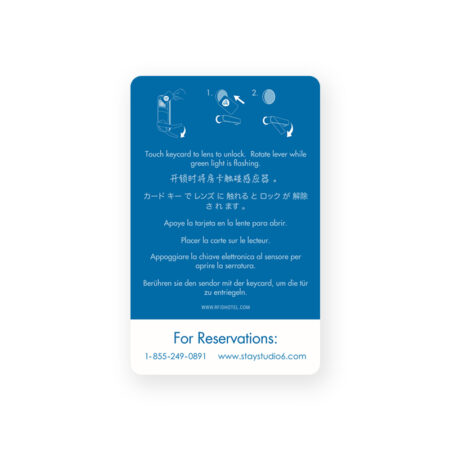
In my workplace, we recently transitioned from traditional keycards to NFC-enabled access cards. The difference was immediately noticeable. Instead of awkwardly swiping multiple times until the reader recognized the magnetic stripe, employees now simply tap their cards against the reader. The system has reduced entry bottlenecks during peak hours and improved overall security through encrypted communication between card and reader.
## Practical Applications of NFC Cards
**Contactless Payments**
My first experience with NFC payment was transformative. I was rushing through an airport, late for a flight, and realized I needed to grab a quick snack. The line was long, and people were fumbling with cash and cards. When it was my turn, I simply tapped my phone (which had my NFC payment card loaded) against the terminal, and within seconds, my transaction was complete. The cashier looked impressed, and the person behind me sighed in relief. This personal experience showed me how NFC technology could streamline everyday transactions.
**Access Control and Security**
In my workplace, we recently transitioned from traditional keycards to NFC-enabled access cards. The difference was immediately noticeable. Instead of awkwardly swiping multiple times until the reader recognized the magnetic stripe, employees now simply tap their cards against the reader. The system has reduced entry bottlenecks during peak hours and improved overall security through encrypted communication between card and reader.
 **Public Transportation**
Many cities worldwide have adopted NFC technology for their transit systems. Dur
**Public Transportation**
Many cities worldwide have adopted NFC technology for their transit systems. Dur
RFID Industry Applications
RFID technology is revolutionizing multiple sectors with its versatile applications:
- Access Control Systems
- Cashless Payment Solutions
- Inventory Management
- Asset Tracking
- Supply Chain Management
- Healthcare Patient Tracking
RFID Technical Specifications
Understanding RFID technology specifications for optimal implementation:
- Frequency: 125kHz, 13.56MHz, 860-960MHz
- Read Range: 1cm to 15m
- Memory: 64-bit to 8KB
- Standards: ISO 14443, ISO 15693
- NFC Compatibility: Type 1-4 Tags
- Durability: IP67 Water Resistance
Advanced RFID Security
Modern RFID systems incorporate multiple security layers for protection:
- 128/256-bit AES Encryption
- Anti-Cloning Protection
- Signal Shielding Technology
- Multi-Factor Authentication
- Real-Time Monitoring
- Tamper Detection Systems
RFID Future Trends
Emerging trends shaping the future of RFID technology:
- IoT Integration
- AI-Powered Analytics
- 5G Connectivity
- Energy Harvesting
- Big Data Integration
- Sustainable Materials
Ready to Implement RFID Solutions?
Whether you need access control systems, cashless payment solutions, or custom RFID implementations, our team of experts can help you navigate the latest in RFID technology.
Contact Our RFID Specialists