# NXP Mifare Card: The Evolution of Contactless Smart Card Technology
 ## Introduction to NXP Mifare Card Technology
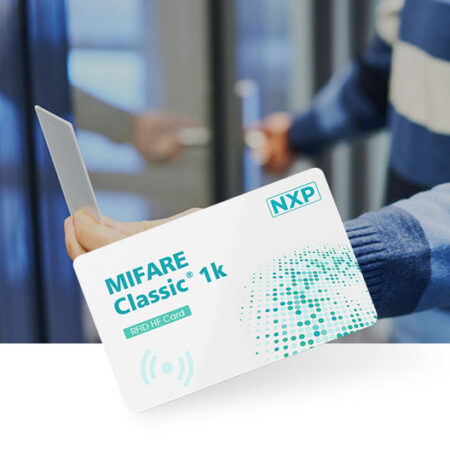
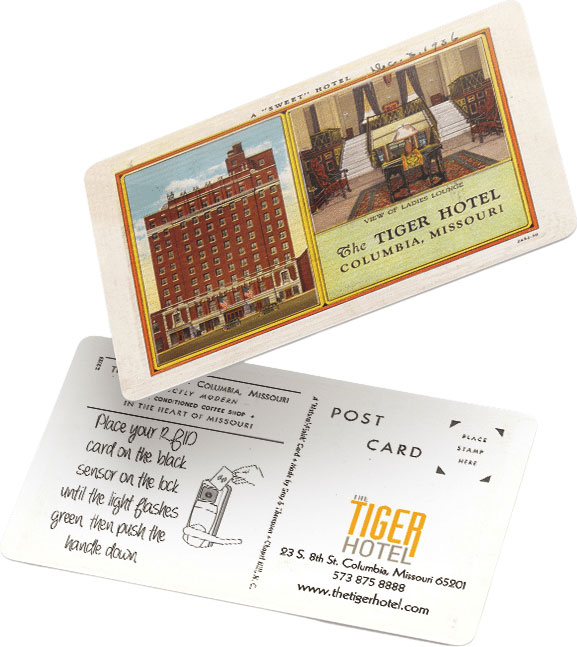 NXP Mifare Card represents a cornerstone in the evolution of contactless smart card systems, widely adopted across access control, public transportation, and payment applications globally. My first encounter with an NXP Mifare Classic card was during a university project on secure campus access systems. I was tasked with integrating card readers into dormitory entrances, and the seamless interaction between the card and reader—a mere tap granting access—felt almost magical. This hands-on experience revealed not just the convenience but the intricate dance of radio frequency identification (RFID) and near-field communication (NFC) protocols at play. Over the years, I’ve observed how these cards have evolved, with NXP Semiconductors continuously enhancing security and functionality to meet growing demands. From personal use in metro systems to corporate security implementations, the NXP Mifare card has proven its reliability, though it’s not without challenges, such as early security vulnerabilities that sparked debates in the tech community. In this article, I’ll delve into the technical specifics, applications, and future trends, while sharing insights from my journey with this technology.
 ## Technical Specifications and Parameters of NXP Mifare Cards
The NXP Mifare card family encompasses various types, each tailored for specific use cases. Here, I’ll outline key technical indicators and detailed parameters, drawing from industry standards and my own testing experiences. Note that these parameters are for reference; for precise data, contact backend management.
**NXP Mifare Classic 1K (MF1S503x):**
- **Chip Code:** NXP MF1S503x series
## Technical Specifications and Parameters of NXP Mifare Cards
The NXP Mifare card family encompasses various types, each tailored for specific use cases. Here, I’ll outline key technical indicators and detailed parameters, drawing from industry standards and my own testing experiences. Note that these parameters are for reference; for precise data, contact backend management.
**NXP Mifare Classic 1K (MF1S503x):**
- **Chip Code:** NXP MF1S503x series
 - **Memory Size:** 1 KB EEPROM, organized into 16 sectors with 4 blocks each (64 blocks total)
 - **Operating Frequency:** 13.56 MHz (ISO/IEC 14443 Type A standard)
- **Communication Interface:** Contactless RFID/NFC
- **Data Retention:** Up to 10 years
- **Write Endurance:** 100,000 cycles per block
- **Dimensions:** Standard ID-1 format (85.6 mm x 54 mm x 0.76 mm), with variations for key fobs or stickers
- **Security Features:** Proprietary CRYPTO1 encryption (note: earlier versions had vulnerabilities, leading to enhanced versions)
**NXP Mifare Plus (MF2Sxx):**
- **Chip Code:** NXP MF2Sxx series (e.g., MF2SDAy for AES security)
- **Memory Size:** 2 KB or 4 KB EEPROM
- **Operating Frequency:** 13.56 MHz
- **Security:** AES-128 encryption, backward co
- **Operating Frequency:** 13.56 MHz (ISO/IEC 14443 Type A standard)
- **Communication Interface:** Contactless RFID/NFC
- **Data Retention:** Up to 10 years
- **Write Endurance:** 100,000 cycles per block
- **Dimensions:** Standard ID-1 format (85.6 mm x 54 mm x 0.76 mm), with variations for key fobs or stickers
- **Security Features:** Proprietary CRYPTO1 encryption (note: earlier versions had vulnerabilities, leading to enhanced versions)
**NXP Mifare Plus (MF2Sxx):**
- **Chip Code:** NXP MF2Sxx series (e.g., MF2SDAy for AES security)
- **Memory Size:** 2 KB or 4 KB EEPROM
- **Operating Frequency:** 13.56 MHz
- **Security:** AES-128 encryption, backward co
RFID Industry Applications
RFID technology is revolutionizing multiple sectors with its versatile applications:
- Access Control Systems
- Cashless Payment Solutions
- Inventory Management
- Asset Tracking
- Supply Chain Management
- Healthcare Patient Tracking
RFID Technical Specifications
Understanding RFID technology specifications for optimal implementation:
- Frequency: 125kHz, 13.56MHz, 860-960MHz
- Read Range: 1cm to 15m
- Memory: 64-bit to 8KB
- Standards: ISO 14443, ISO 15693
- NFC Compatibility: Type 1-4 Tags
- Durability: IP67 Water Resistance
Advanced RFID Security
Modern RFID systems incorporate multiple security layers for protection:
- 128/256-bit AES Encryption
- Anti-Cloning Protection
- Signal Shielding Technology
- Multi-Factor Authentication
- Real-Time Monitoring
- Tamper Detection Systems
RFID Future Trends
Emerging trends shaping the future of RFID technology:
- IoT Integration
- AI-Powered Analytics
- 5G Connectivity
- Energy Harvesting
- Big Data Integration
- Sustainable Materials
Ready to Implement RFID Solutions?
Whether you need access control systems, cashless payment solutions, or custom RFID implementations, our team of experts can help you navigate the latest in RFID technology.
Contact Our RFID Specialists