# RFID and NFC Technology in Modern Print Identification Cards
## Introduction to RFID and NFC in Identification Systems
 The integration of RFID (Radio-Frequency Identification) and NFC (Near Field Communication) technology into print identification cards has revolutionized security, access control, and data management across numerous sectors. These smart cards combine traditional visual identification elements with embedded electronic components, enabling seamless interaction between the cardholder and various digital systems. From corporate environments and educational institutions to government agencies and healthcare facilities, RFID and NFC print identification cards provide a robust solution for verifying identity, granting permissions, and streamlining processes.
 My first encounter with an advanced RFID identification system was during a visit to a large technology conference. Upon registration, I was issued a printed badge with an embedded RFID chip. This card not only displayed my name and affiliation but also granted me access to specific seminar rooms, allowed cashless payments at vendor booths, and even tracked which sessions I attended. The seamless experience—simply tapping my card against readers—was impressive and highlighted the practical utility of merging print with digital technology. This personal experience solidified my view that such integration is not just a convenience but a significant step forward in operational efficiency and security.
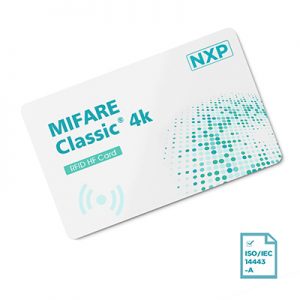
 ## The Technical Core: How RFID and NFC Work in Printed Cards
At the heart of every smart print identification card lies a tiny chip and an antenna, embedded within the card's layers during the printing and lamination process. RFID systems typically operate at various frequencies: Low Frequency (LF, 125-134 kHz), High Frequency (HF, 13.56 MHz—which is the same frequency used by NFC), and Ultra-High Frequency (UHF, 860-960 MHz). NFC is a subset of RFID technology operating at 13.56 MHz, designed for very short-range, secur
## The Technical Core: How RFID and NFC Work in Printed Cards
At the heart of every smart print identification card lies a tiny chip and an antenna, embedded within the card's layers during the printing and lamination process. RFID systems typically operate at various frequencies: Low Frequency (LF, 125-134 kHz), High Frequency (HF, 13.56 MHz—which is the same frequency used by NFC), and Ultra-High Frequency (UHF, 860-960 MHz). NFC is a subset of RFID technology operating at 13.56 MHz, designed for very short-range, secur

RFID Industry Applications
RFID technology is revolutionizing multiple sectors with its versatile applications:
- Access Control Systems
- Cashless Payment Solutions
- Inventory Management
- Asset Tracking
- Supply Chain Management
- Healthcare Patient Tracking
RFID Technical Specifications
Understanding RFID technology specifications for optimal implementation:
- Frequency: 125kHz, 13.56MHz, 860-960MHz
- Read Range: 1cm to 15m
- Memory: 64-bit to 8KB
- Standards: ISO 14443, ISO 15693
- NFC Compatibility: Type 1-4 Tags
- Durability: IP67 Water Resistance
RFID Market Trends 2024
The RFID industry is experiencing exponential growth with these key trends:
- Integration with IoT and AI systems
- Expansion in healthcare and retail sectors
- Development of sustainable RFID materials
- Increased adoption in smart city projects
Advanced RFID Security
Modern RFID systems incorporate multiple layers of security for protection:
- AES-256 Bit Encryption
- Mutual Authentication Protocols
- Tamper-Evident Designs
- Secure Key Management
- Frequency Hopping Spread Spectrum
- Kill Switch Technology
Ready to Implement RFID Solutions?
Whether you need access control systems, cashless payment solutions, or custom RFID implementations, our team of experts can help you navigate the latest in RFID technology.
Contact Our RFID SpecialistsChoosing the Right RFID Solution
When selecting RFID technology for your organization, consider:
- Application requirements: Access control, payments, inventory tracking
- Environment: Indoor, outdoor, harsh conditions
- Read range: Close proximity or longer distances
- Integration needs: Compatibility with existing systems
- Budget: Initial investment and total cost of ownership