# NXP MIFARE DESFire 2K EV1 RFID Cards: A Comprehensive Guide
## Introduction to NXP MIFARE DESFire 2K EV1 RFID Cards
In the realm of contactless smart card technology, **NXP MIFARE DESFire 2K EV1 RFID cards** represent a pinnacle of security, versatility, and performance. As someone who has worked extensively with various RFID systems across access control, public transportation, and event management projects, I can attest to the transformative impact of these cards. My journey began a decade ago when I first integrated basic 1K cards into a university dormitory system. The limitations were evident—limited memory, slower transaction times, and basic security. Transitioning to the DESFire platform, particularly the 2K EV1 variant, was like upgrading from a bicycle to a high-speed train. The difference wasn't just technical; it fundamentally changed how we designed systems, enabling multi-application environments where a single card could handle access, payments, and identity verification seamlessly. This personal experience underscores why understanding these cards is crucial for anyone in the RFID space.
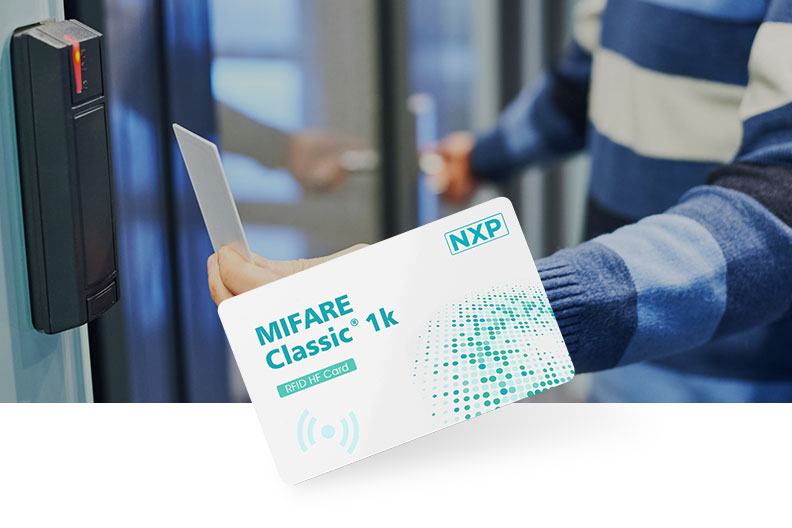
 ## Technical Specifications and Parameters of NXP MIFARE DESFire 2K EV1

 When evaluating **NXP MIFARE DESFire 2K EV1 RFID cards**, the technical details are paramount. These cards are built on the DESFire EV1 chip, which is based on a secure microcontroller with an integrated RF interface. Here are the key specifications:
- **Memory Capacity:** 2 KB EEPROM, organized into 32 sectors with flexible file system support.
- **Operating Frequency:** 13.56 MHz (ISO/IEC 14443 Type A standard).
- **Communication Speed:** Up to 848 kbit/s, supporting fast data transfer for applications like transit ticketing.
- **Security Features:** Includes AES-128 encryption, 3DES, and optional cryptographic co-processor for enhanced security. The chip has a Common Criteria EAL4+ certification, ensuring robust protection against attacks.
- **Chip Code:** The specific IC identifier is NXP MF3ICD21 or MF3ICD21A, with a unique 7-byte UID (Serial Number) that can be extended to 4-byte or 7-byte formats.
- **Detailed Dimensions:** Standard card size is 85.6 mm × 54 mm × 0.76 mm (ID-1 format), but custom sizes like key fobs or stickers are available, typically ranging from 25 mm to 50 mm in diameter for circular tags.
- **Operating Temperature:** -25°C to +70°C,
When evaluating **NXP MIFARE DESFire 2K EV1 RFID cards**, the technical details are paramount. These cards are built on the DESFire EV1 chip, which is based on a secure microcontroller with an integrated RF interface. Here are the key specifications:
- **Memory Capacity:** 2 KB EEPROM, organized into 32 sectors with flexible file system support.
- **Operating Frequency:** 13.56 MHz (ISO/IEC 14443 Type A standard).
- **Communication Speed:** Up to 848 kbit/s, supporting fast data transfer for applications like transit ticketing.
- **Security Features:** Includes AES-128 encryption, 3DES, and optional cryptographic co-processor for enhanced security. The chip has a Common Criteria EAL4+ certification, ensuring robust protection against attacks.
- **Chip Code:** The specific IC identifier is NXP MF3ICD21 or MF3ICD21A, with a unique 7-byte UID (Serial Number) that can be extended to 4-byte or 7-byte formats.
- **Detailed Dimensions:** Standard card size is 85.6 mm × 54 mm × 0.76 mm (ID-1 format), but custom sizes like key fobs or stickers are available, typically ranging from 25 mm to 50 mm in diameter for circular tags.
- **Operating Temperature:** -25°C to +70°C,
RFID Industry Applications
RFID technology is revolutionizing multiple sectors with its versatile applications:
- Access Control Systems
- Cashless Payment Solutions
- Inventory Management
- Asset Tracking
- Supply Chain Management
- Healthcare Patient Tracking
RFID Technical Specifications
Understanding RFID technology specifications for optimal implementation:
- Frequency: 125kHz, 13.56MHz, 860-960MHz
- Read Range: 1cm to 15m
- Memory: 64-bit to 8KB
- Standards: ISO 14443, ISO 15693
- NFC Compatibility: Type 1-4 Tags
- Durability: IP67 Water Resistance
Advanced RFID Security
Modern RFID systems incorporate multiple security layers for protection:
- 128/256-bit AES Encryption
- Anti-Cloning Protection
- Signal Shielding Technology
- Multi-Factor Authentication
- Real-Time Monitoring
- Tamper Detection Systems
RFID Future Trends
Emerging trends shaping the future of RFID technology:
- IoT Integration
- AI-Powered Analytics
- 5G Connectivity
- Energy Harvesting
- Big Data Integration
- Sustainable Materials
Ready to Implement RFID Solutions?
Whether you need access control systems, cashless payment solutions, or custom RFID implementations, our team of experts can help you navigate the latest in RFID technology.
Contact Our RFID Specialists