# Smart Card Use: Revolutionizing Modern Security and Convenience
## Introduction to Smart Card Technology
Smart card use has become an integral part of our daily lives, transforming how we secure information, conduct transactions, and access services. These small, portable devices, embedded with integrated circuits, offer unparalleled security and functionality. From banking and healthcare to transportation and identification, smart cards have revolutionized various sectors. In this comprehensive guide, we will explore the multifaceted applications of smart cards, their technical specifications, and their impact on modern society.
## The Evolution and Mechanics of Smart Cards
### What Are Smart Cards?
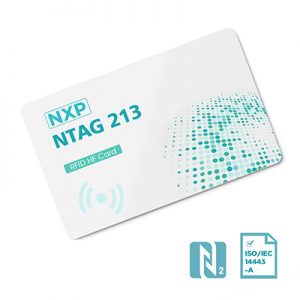 Smart cards are pocket-sized cards with embedded integrated circuits that can process data. Unlike traditional magnetic stripe cards, smart cards can store, manage, and protect information securely. They come in two primary forms: contact smart cards, which require physical insertion into a reader, and contactless smart cards, which use RFID or NFC technology for wireless communication. My first encounter with smart card use was during a trip to Japan, where I used a Suica card for seamless travel across trains, buses, and even convenience stores. The convenience and efficiency left a lasting impression, highlighting how technology can simplify everyday tasks.
 ### How Do Smart Cards Work?
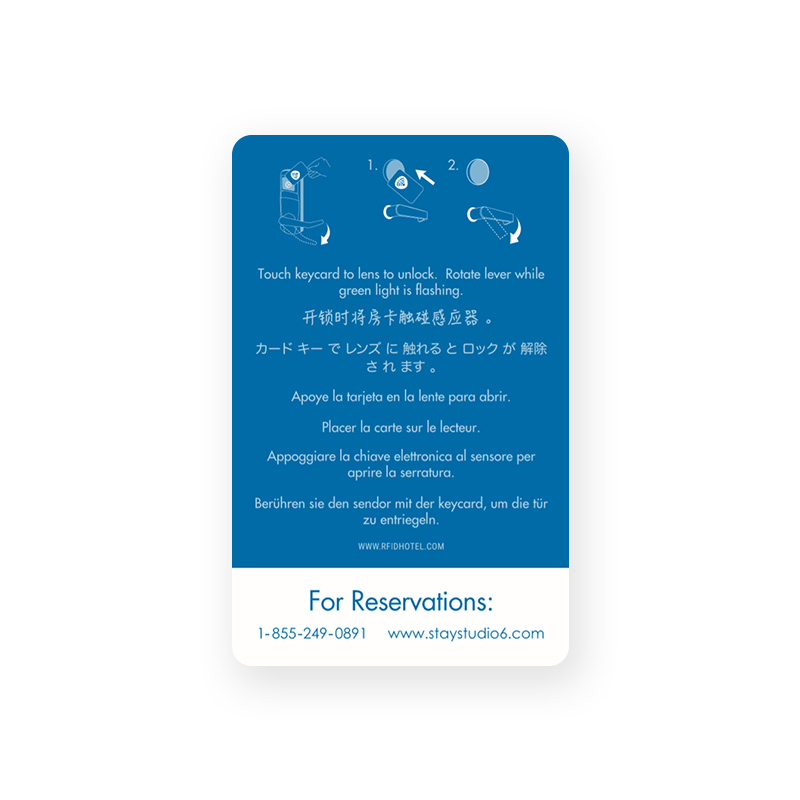
Smart cards operate through a combination of hardware and software. The embedded microcontroller or memory chip stores data and executes commands. When inserted into a reader or brought near a contactless terminal, the card communicates with the system to authenticate users, process transactions, or grant access. This interaction is secured through encryption and authentication protocols, making smart cards highly resistant to fraud and tampering.
### How Do Smart Cards Work?
Smart cards operate through a combination of hardware and software. The embedded microcontroller or memory chip stores data and executes commands. When inserted into a reader or brought near a contactless terminal, the card communicates with the system to authenticate users, process transactions, or grant access. This interaction is secured through encryption and authentication protocols, making smart cards highly resistant to fraud and tampering.
 ## Personal Experiences and Perspectives on Smart Card Use
 Reflecting on my journey, I recall how smart card use initially seemed dauntin
RFID Industry Applications
RFID technology is revolutionizing multiple sectors with its versatile applications:
- Access Control Systems
- Cashless Payment Solutions
- Inventory Management
- Asset Tracking
- Supply Chain Management
- Healthcare Patient Tracking
RFID Technical Specifications
Understanding RFID technology specifications for optimal implementation:
- Frequency: 125kHz, 13.56MHz, 860-960MHz
- Read Range: 1cm to 15m
- Memory: 64-bit to 8KB
- Standards: ISO 14443, ISO 15693
- NFC Compatibility: Type 1-4 Tags
- Durability: IP67 Water Resistance
Advanced RFID Security
Modern RFID systems incorporate multiple security layers for protection:
- 128/256-bit AES Encryption
- Anti-Cloning Protection
- Signal Shielding Technology
- Multi-Factor Authentication
- Real-Time Monitoring
- Tamper Detection Systems
RFID Future Trends
Emerging trends shaping the future of RFID technology:
- IoT Integration
- AI-Powered Analytics
- 5G Connectivity
- Energy Harvesting
- Big Data Integration
- Sustainable Materials
Ready to Implement RFID Solutions?
Whether you need access control systems, cashless payment solutions, or custom RFID implementations, our team of experts can help you navigate the latest in RFID technology.
Contact Our RFID Specialists