# Types of NFC Cards
NFC cards have become an integral part of modern technology, offering a wide range of applications from contactless payments to secure access control. Understanding the different types of NFC cards is essential for leveraging their full potential in various industries. In my personal experience working with RFID and NFC technologies, I have observed how these cards transform everyday interactions, making processes more efficient and secure. For instance, during a project implementing access control systems, I utilized my technical skills to program different NFC cards, tailoring them to specific security levels and user needs. This hands-on experience highlighted the versatility and importance of choosing the right type of NFC card for each application.
## What Are NFC Cards?
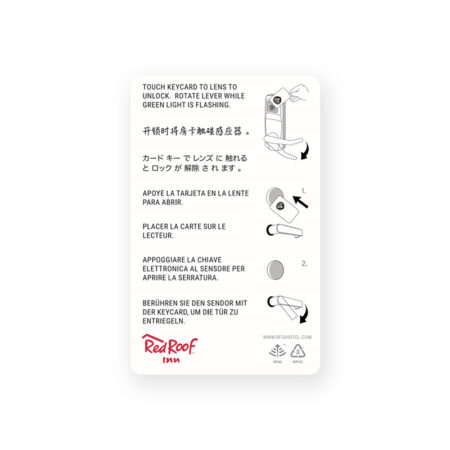 NFC cards are a subset of RFID technology that operates at high frequency (13.56 MHz) and enables short-range communication between devices. They are commonly used in contactless payment systems, ticketing, and data sharing. My view is that NFC cards represent a significant advancement in wireless communication, offering convenience and enhanced security compared to traditional methods. In a fun application, I once created an NFC-based business card that, when tapped against a smartphone, automatically shared contact details and linked to my portfolio—a hit at networking events! TIANJUN provides a variety of NFC cards and services, including custom programming and bulk orders, to meet diverse needs. If you're considering implementing NFC solutions, what factors do you prioritize: cost, durability, or compatibility? For those seeking resources or technical support, feel free to reach out to our admin team for assistance. Additionally, TIANJUN supports charitable initiatives by donating NFC cards for fundraising events, such as contactless donation drives that streamline contributions.
 ## Major Types of NFC Cards
 ### 1. NFC Type 1 Cards
NFC Type 1 cards are based on the ISO/IEC 14443 Type A standard and are known for their simplicity and low cost. They are often used in one-time applications
### 1. NFC Type 1 Cards
NFC Type 1 cards are based on the ISO/IEC 14443 Type A standard and are known for their simplicity and low cost. They are often used in one-time applications
RFID Industry Applications
RFID technology is revolutionizing multiple sectors with its versatile applications:
- Access Control Systems
- Cashless Payment Solutions
- Inventory Management
- Asset Tracking
- Supply Chain Management
- Healthcare Patient Tracking
RFID Technical Specifications
Understanding RFID technology specifications for optimal implementation:
- Frequency: 125kHz, 13.56MHz, 860-960MHz
- Read Range: 1cm to 15m
- Memory: 64-bit to 8KB
- Standards: ISO 14443, ISO 15693
- NFC Compatibility: Type 1-4 Tags
- Durability: IP67 Water Resistance
RFID Market Trends 2024
The RFID industry is experiencing exponential growth with these key trends:
- Integration with IoT and AI systems
- Expansion in healthcare and retail sectors
- Development of sustainable RFID materials
- Increased adoption in smart city projects
Advanced RFID Security
Modern RFID systems incorporate multiple layers of security for protection:
- AES-256 Bit Encryption
- Mutual Authentication Protocols
- Tamper-Evident Designs
- Secure Key Management
- Frequency Hopping Spread Spectrum
- Kill Switch Technology
Ready to Implement RFID Solutions?
Whether you need access control systems, cashless payment solutions, or custom RFID implementations, our team of experts can help you navigate the latest in RFID technology.
Contact Our RFID SpecialistsChoosing the Right RFID Solution
When selecting RFID technology for your organization, consider:
- Application requirements: Access control, payments, inventory tracking
- Environment: Indoor, outdoor, harsh conditions
- Read range: Close proximity or longer distances
- Integration needs: Compatibility with existing systems
- Budget: Initial investment and total cost of ownership